
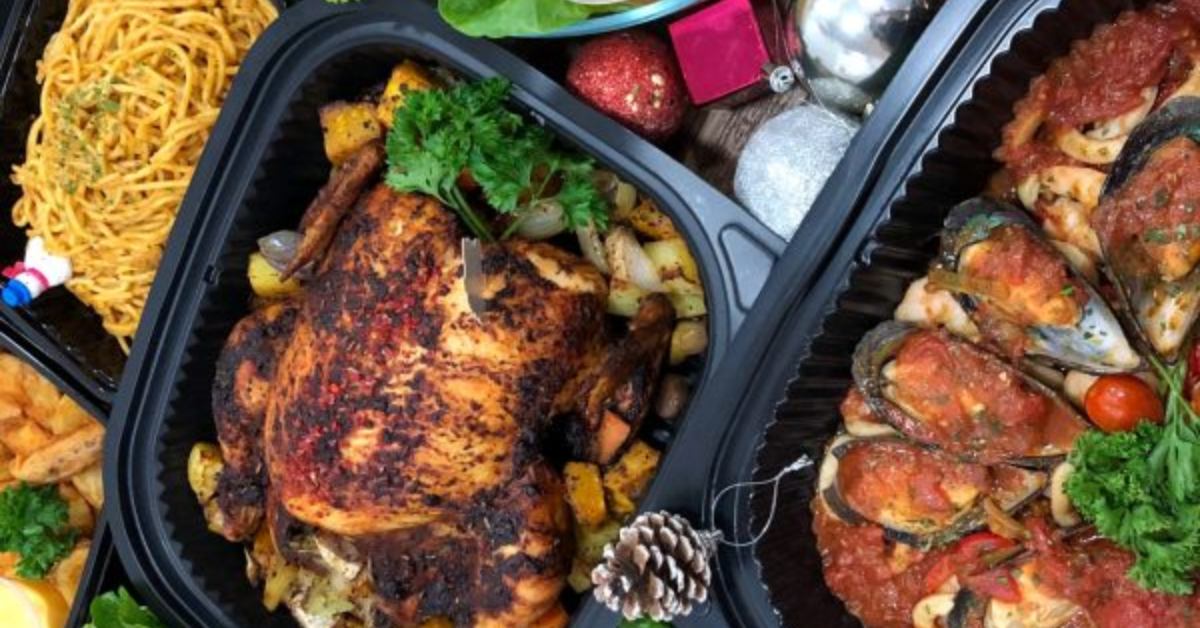
Buffet Catering Singapore – Turning Events into Memorable Culinary Experiences
When organizing any gathering from corporate lunches and seminars to weddings and community celebrations the term Buffet Catering Singapore often appears at the top of the planning list. In Singapore’s rich multicultural and fast-paced environment, buffet catering stands out as an ideal solution: it offers variety, flexibility and efficiency, while meeting the diverse dietary needs of guests. Whether you’re hosting 30 or 300, choosing the right buffet catering service ensures that food becomes more than just a meal it becomes an experience.
What is Buffet Catering?
Buffet catering refers to the provision of a food service setup where a spread of dishes is laid out and guests serve themselves, usually from multiple stations. It contrasts with plated meals by offering variety, freedom of choice and flexibility in service. The caterer handles food preparation, presentation, logistics, staffing (if required) and often dessert or drink stations. A well-executed buffet can turn dining into a guest-driven experience allowing attendees to circulate, sample different foods, and network while eating.
In Singapore, buffet catering services range from budget-friendly mini-buffets for small gatherings, all the way to full-scale banquet spreads with themed stations, live cooking, and premium ingredients tailored for weddings and large functions. The breadth of options makes buffets particularly well-suited for a wide variety of event types.
Why Buffet Catering Is an Excellent Choice in Singapore
1. Variety for Diverse Guests
Singapore’s guest lists often span multiple dietary requirements vegetarian, halal, vegan, gluten free and buffet setups allow hosts to offer a broad selection so everyone finds something to enjoy.
2. Efficient Service & Flow
Compared to plated service, buffets streamline food distribution: guests serve themselves, reducing wait time, and caterers can replenish dishes as needed, keeping everything fresh and moving.
3. Scalable for Large Groups
Whether 20 or 200 guests, buffet formats scale easily. For larger events, multiple stations reduce queues and allow for smoother guest movement.
4. Flexibility in Theme and Presentation
Buffet catering can be styled to match your event from casual lunch spreads to luxurious themed banquets. Food stations, live grills, dessert bars and customized décor make buffets versatile.
5. Cost-Effective Solution
While high-end buffets can be premium cost, there are budget-friendly buffet packages available for smaller or simpler functions. Hosts can choose menu tiers and service levels to match budget and guest expectations.
Types of Buffet Catering Services Available
In Singapore, buffet catering services commonly fall into several categories:
-
Mini Buffets / Compact Packages: Intended for smaller groups or simpler events (e.g., office lunches, informal gatherings). These often include fewer dishes, minimal setup and sometimes delivery only.
-
Standard Full Spread Buffets: For mid-sized events say 50150 gueststh ese include a full dress-up, tables with warmers, multiple dish selections (entrées, mains, sides, desserts) and sometimes staff for service.
-
Premium & Themed Buffet Banquets: For weddings, gala dinners or major receptions. These include upscale ingredients (seafood, carving stations), live cooking, custom display setups and extensive dessert or drink bars.
-
Specialty Cuisine Buffets: Some caterers focus on specific types of menus: local heritage (Peranakan, Malay classics), international fusion, live BBQ grills, vegetarian/vegan-forward spreads.
-
Corporate Event Buffets: Tailored for meetings, seminars and business functions with emphasis on timely delivery, streamlined flow, and dietary-inclusive menus (halal, vegetarian, allergen-free) to cater for staff or client gatherings.
What a Buffet Catering Package Typically Includes
A quality buffet catering arrangement generally covers:
-
Food preparation: Mains, sides, salads, desserts, beverages.
-
Serving equipment: Chafing dishes, tables, warmers, table skirting, utensils.
-
Presentation: Attractive layout, themed décor, food signage indicating dietary info.
-
Service staff: Depending on the package, servers may assist with replenishment, guest questions or plating.
-
Delivery & setup: Timely drop-off, proper food-safety temperature control, venue coordination.
-
Clean-up: Some packages include post-buffet clearing and table removal.
Understanding what’s included helps avoid hidden costs and ensures your event runs smoothly.
Choosing the Right Buffet Caterer in Singapore
To secure a satisfactory buffet catering experience, event hosts should evaluate:
-
Menu Variety & Customisation: Does the caterer offer a wide range of cuisines or themed options? Can they accommodate vegetarian, halal, vegan or allergen-free guests?
-
Service Fit for the Occasion: Whether it’s a casual team lunch or a wedding banquet choose a caterer with experience in that event type.
-
Logistics & Setup Capability: Assess whether the venue requires special service (outdoor, remote access, limited kitchen facilities) and ensure the caterer can handle it.
-
Presentation & Professionalism: Buffet presentation influences guest perception; look for quality display, staff uniforms, neat layout and refill efficiency.
-
Clear Pricing Structure: Understand cost per person, minimum guest numbers, delivery/set-up fees, service staff charges, dish selection tiers and any surcharges.
-
Food Safety & Reputation: Check reviews, verify certification (especially for dietary-sensitive menus such as halal) and ask for references.
-
Lead Time & Flexibility: Ensure there is sufficient lead time for bookings and that the caterer can adapt to changes in guest count or menu preferences.
Selecting a caterer who addresses all these elements increases the likelihood of a stress-free culinary experience.
Menu Trends & Guest Expectation in Buffet Catering
Buffet catering in Singapore has evolved beyond “lots of dishes” and increased focus on guest experience. Contemporary trends include:
-
Health-conscious menus: Incorporating grilled proteins, whole grain bases, lighter sides and more salads to cater for wellness-driven guests.
-
Interactive food stations: Live cooking stations sushi rolls, noodle stations, carving desks add a dynamic element to buffets and keep guests engaged.
-
Fusion cuisine: Blend of local heritage (e.g., laksa risotto) with international flavours serves adventurous guests.
-
Sustainability & eco-friendly setups: Caterers are under pressure to use biodegradable serveware, reduce food waste and source locally reflecting evolving guest values.
-
Dietary-inclusive planning: Halal-certified menus, vegetarian/vegan tracks and clear dietary signage ensure no guest is left out.
-
Premium presentation for corporate & social events: Even buffet formats now carry fine-dining aesthetics branded food counters, thematic décor and premium ingredients to elevate the guest experience.
Hosts who leverage these trends can deliver buffets that feel modern, thoughtful and in line with guest expectations for 2025 and beyond.
Budgeting & Cost Considerations
Buffet catering costs vary widely based on guest numbers, cuisine type, setup complexity, and service level. Key factors influencing cost include:
-
Dish tiers: Premium proteins (seafood, grilled meats) cost more than standard roasted chicken or tofu.
-
Service style: Live stations and multiple food islands increase staffing and setup costs.
-
Venue logistics: Outdoor venues, remote locations or special access increase delivery/crew costs.
-
Guest count minimums: Many caterers have minimum pax thresholds which affect price per person.
-
Dietary inclusivity: Halal certification or special menu tracks may raise the cost slightly but increase inclusivity.
-
Equipment and presentation: Upgraded serving ware, branded display stations or heightened décor will raise cost.
As a rough guide: budget buffets may start at modest per-person pricing (depending on dish count), while premium banquet spreads for weddings or large events may cost significantly more. Comparing multiple caterers, reviewing what’s included and identifying key guest priorities helps ensure cost-effectiveness.
Maximising the Buffet Experience for Your Event
-
Confirm guest count and dietary breakdown early to avoid under-ordering or wastage.
-
Plan food stations strategically to avoid queue bottlenecks and keep food fresh.
-
Ensure variety and balance in dishes combine local favourites with international options and vegetarian/vegan channels.
-
Communicate dietary and servicing needs (e.g., halal, vegetarian platter selection, dessert preferences).
-
Schedule meal timing carefully to align with event flow welcome drink, dining, speeches, dessert.
-
Collect guest feedback post-event to evaluate food quality, variety and service experience for future planning.
By paying attention to these operational details, hosts ensure that buffet catering delivers operational efficiency and guest satisfaction.
Conclusion
Buffet catering Singapore is far more than food spread it’s a strategic component of event planning that influences guest satisfaction, event flow and overall impression. Whether you’re organizing a corporate seminar, family celebration, wedding or community gathering, the right buffet catering partner will provide variety, flexibility, inclusivity and strong service.
In today’s diverse and evolving event landscape, hosts should look for caterers who deliver not just quantity but quality: menu customization, dietary sensitivity, efficiency in delivery, and presentation. By doing so, your buffet no longer serves only dishes it serves experiences, delights guests and helps make your event truly memorable.